Bus priority refers to roadway changes or technologies that can improve the speed and reliability of bus service. With Northern Virginia’s congested roads, bus priority provides solutions that allow riders to depend on the bus to meet their travel needs, which in turn encourages more ridership.
There are many bus priority tools already in place in Northern Virginia and more are on the way.
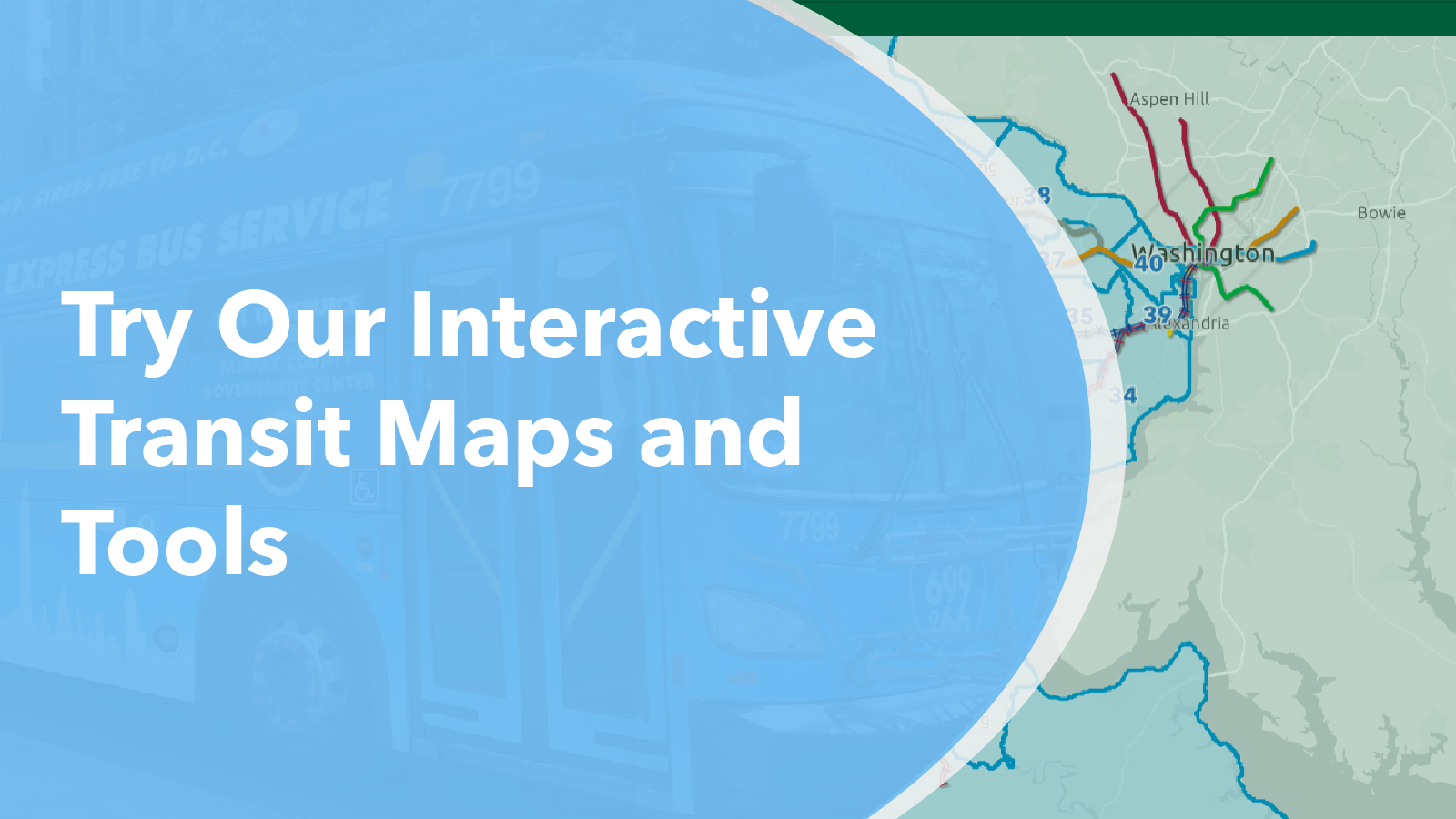
This map shows transit signal priority, bus-only signals and dedicated bus lanes currently active in Northern Virginia.
Click around and zoom in on the map to see where buses currently get help bypassing traffic.
Bus priority ensures that buses keep moving so that riders get to their destinations on time.
Nearly as many people travel by bus along Columbia Pike in Arlington as live in the City of Falls Church. High ridership bus routes are the most likely to be impacted by traffic congestion since they stop frequently to load or unload passengers, making it especially difficult to get through intersections during a green light.
NVTC conducted an analysis that looked at how congestion impacts bus speeds and what those delays cost the region annually. You can read about the results here.
Buses Need Help at Intersections
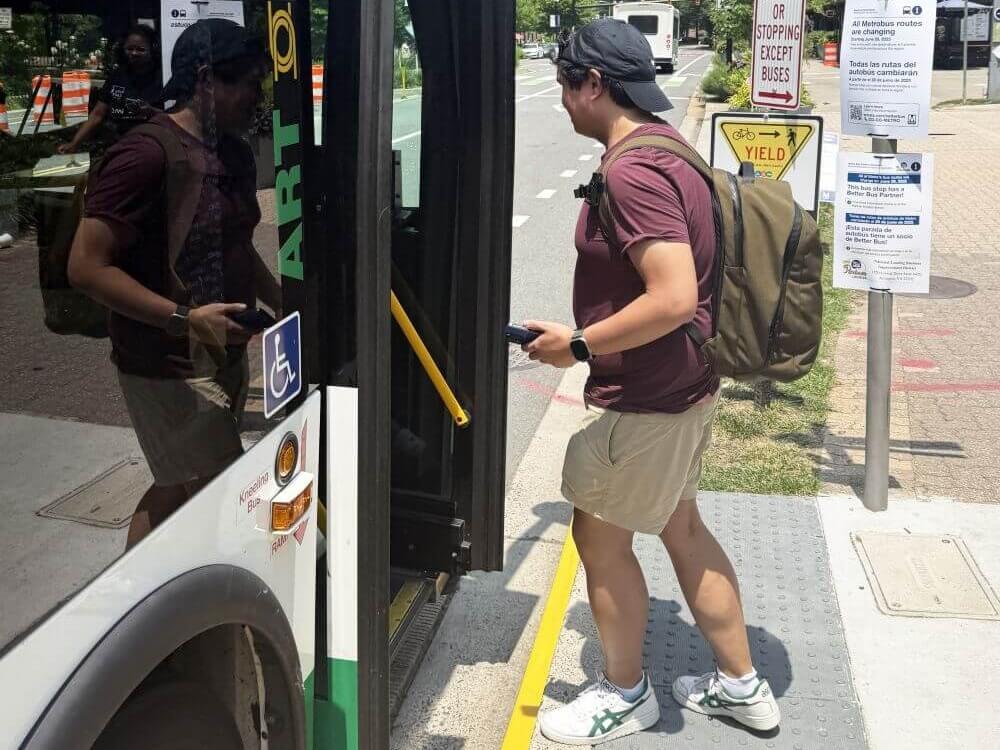
Often a traffic light turns red, but the bus isn’t close enough to the bus stop. So the bus needs to stop at the bus stop during a green light.
When the bus is ready to move, the traffic light turns red again, and the bus waits through another red light before continuing its route.
Bus priority measures help reduce transit delays.
Queue Jumps
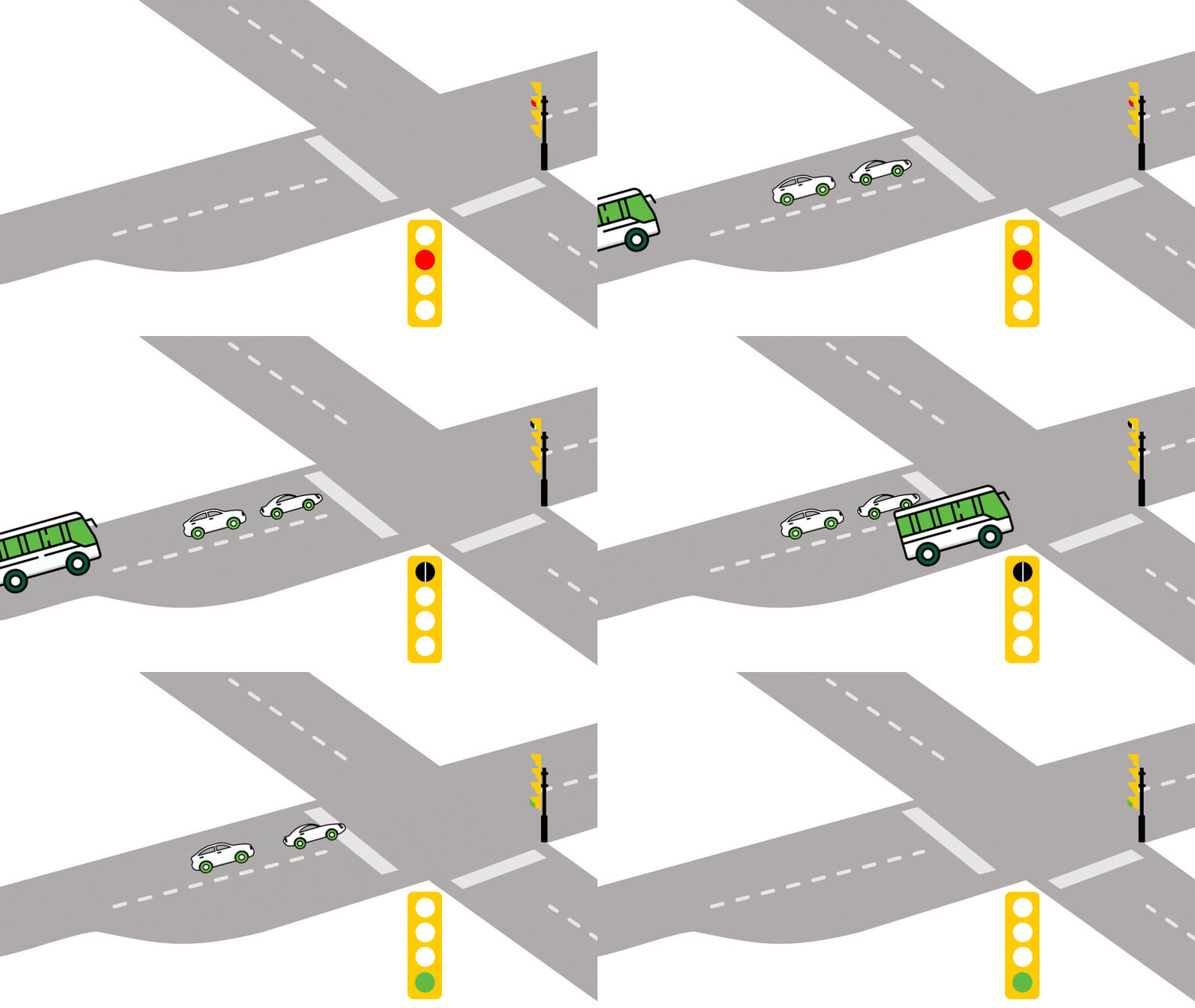
Queue jumps provide buses with additional space at a traffic light to bypass congestion at an intersection. When paired with a bus-only signal, the buses receive a “head-start” over other vehicles.
Benefit to the Region: Queue jumps keep buses on schedule and provide a safe way to merge back into the flow of traffic.
Dedicated Bus Lanes
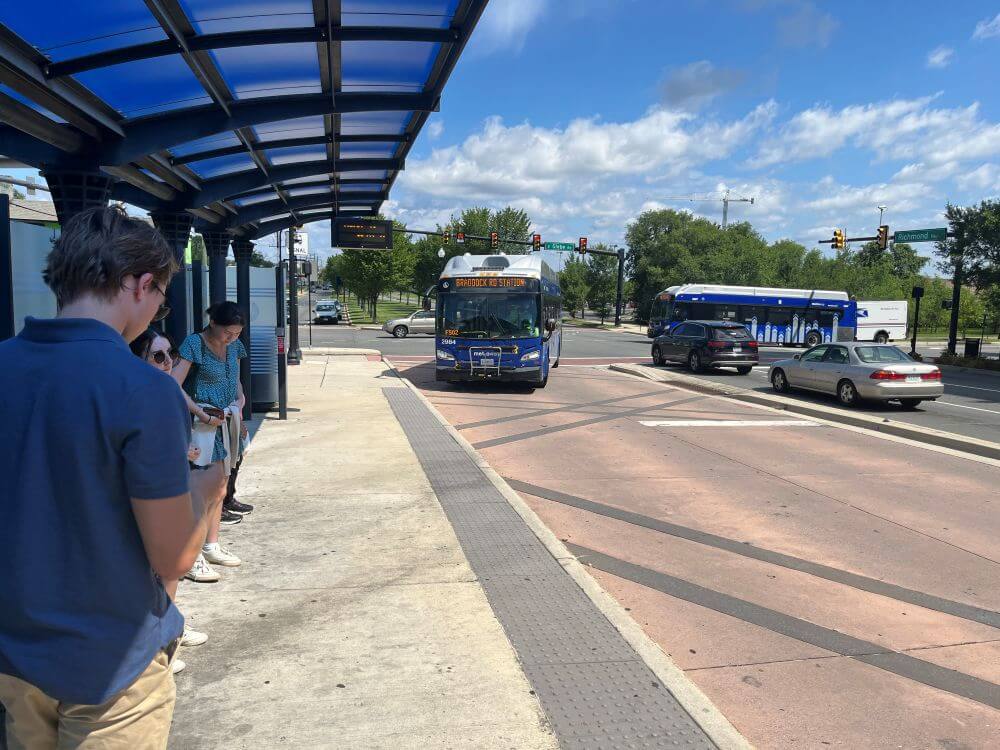
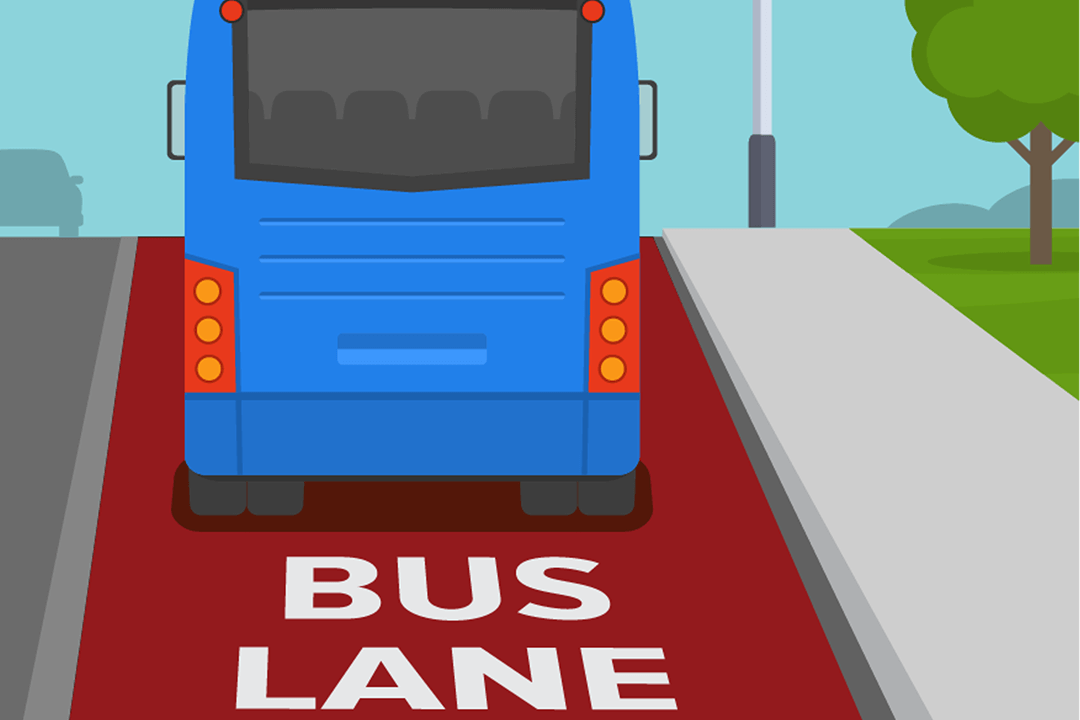
Dedicated bus lanes repurpose a parking or travel lane to a bus-only lane. On highly traveled corridors with frequent bus service, these bus lanes provide a smoother, more reliable ride for bus riders while improving safety and traffic flow around bus stops.
Benefit to the Region: Bus lanes reduce delays due to traffic congestion and help raise the visibility of the high-quality, frequent service. Emergency vehicles can also use these lanes to improve response times. Dedicated bus lanes only work if lanes are properly enforced or engineered in a way that prevents other uses.
Bus Stops
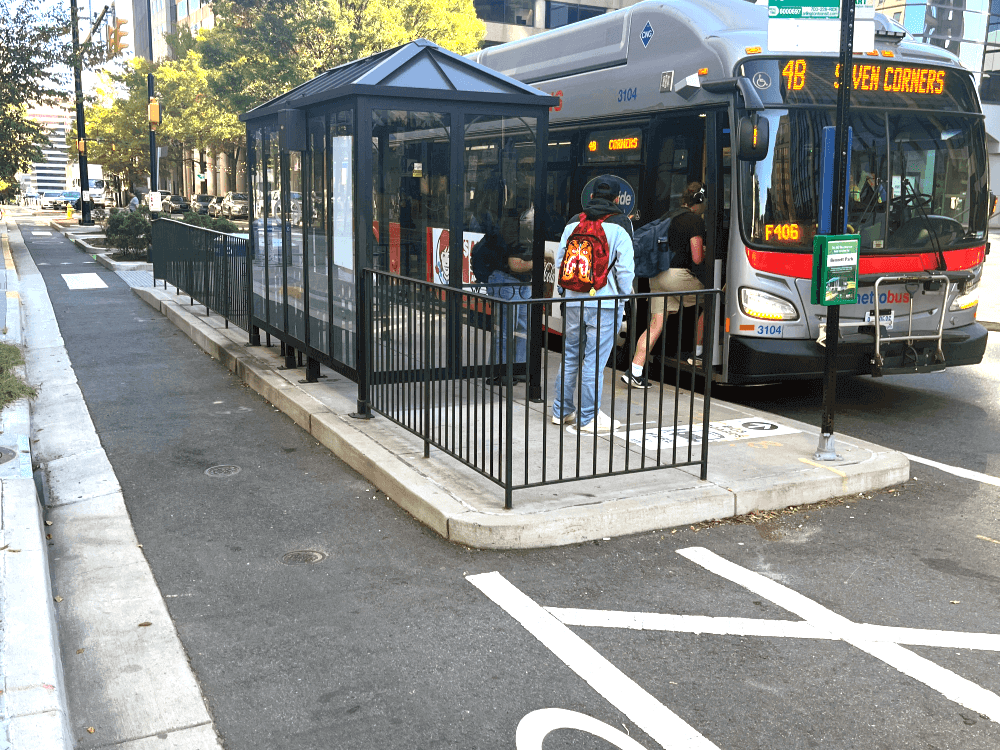
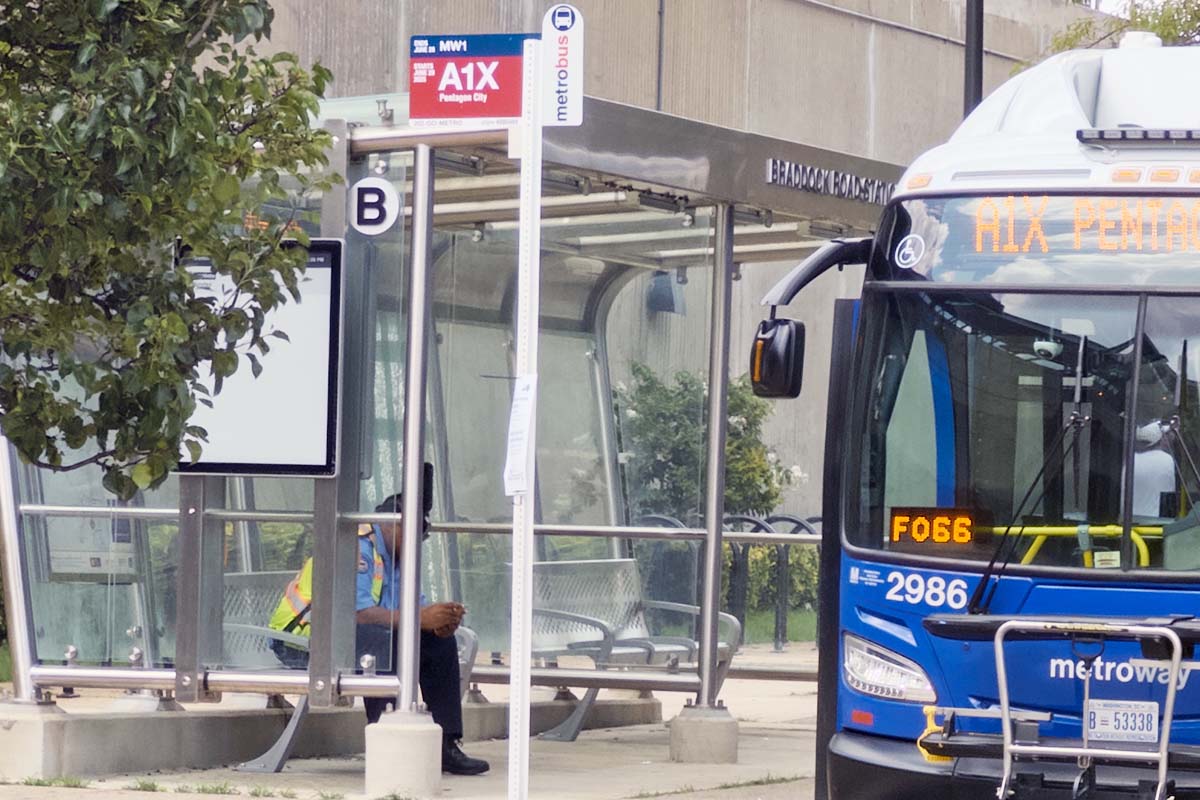
Bus stops are the front door to the transit system. Some stops just have a sign, but for a world-class transit experience you need:
- Sidewalks, crosswalks and pedestrian ramps
- Benches
- Lighting
- Shelter (from sun and rain)
- Real-time bus information
- Level boarding
Benefits to the Region: Well-designed and maintained bus stops support existing ridership and attract new riders to the service.

Transit Signal Priority (TSP)
TSP allows buses to communicate with a traffic light, either delaying or extending the signal to help the buses move through the intersection. If no buses are present, no change occurs.
Benefit to the Region: TSP keeps buses on schedule, providing a reliable bus trip that encourages more riders. Increased bus ridership improves the efficiency and capacity of a travel corridor.

Toolbox
Bus priority tools are part of the bus rapid transit toolbox
It is possible to make notable improvements to bus service with a handful of bus priority measures. The next level of bus service is known as bus rapid transit, or BRT. BRT is a package of bus priority measures, frequent service, branding and off-board fare collection that makes riding the bus feel similar to riding a train.
NVTC leads the planning process for Envision Route 7, a BRT system planned for the Route 7 corridor to connect Tysons, Falls Church, Seven Corners and Bailey’s Crossroads to either the Mark Center or Southern Towers in Alexandria.